

We have spent years traversing the Istrian peninsula. While our heart and our homes at Solis Porec are rooted in the lively streets of Porec, we always tell our guests the same thing: you cannot truly say you know Istria until you have spent a quiet afternoon in Rovinj. It is only a forty-minute drive south from us. The road winds through olive groves and vineyards, eventually revealing a skyline that looks like a painting left out to dry in the sun.
The steeple that watches the sea
Everything in Rovinj starts and ends with St. Euphemia. You see the copper statue of the saint atop the bell tower from miles away. It’s the highest point in the old town. Walking up there is a bit of a climb. The cobblestones on Grisia Street are worn smooth by centuries of footsteps, so they can be slippery even when dry. Watch your step.
Once you reach the plateau of the church, the air feels different. It’s cooler. We like to lean against the stone walls and just watch the fishing boats returning to the harbour. On a clear day, you can see the silhouette of the Alps to the north or even the faint outline of Italy across the water. The interior of the church is quiet and cool, a welcome break from the summer heat. It houses the sarcophagus of St. Euphemia, which, according to local lore, washed ashore in a miraculous fashion centuries ago.
The art of the slow walk: Grisia and beyond
Grisia Street is the most famous thoroughfare in the old town. It is an open-air gallery. Artists line the walls with oil paintings of blue shutters and red roofs. Some people find it busy. We find it charming if you know when to go. Go early. Before the midday heat hits and before the day-trippers arrive from the larger cruise ships.
You will notice small details if you look up. Stone lions of Venice carved into the facades. Ornate balconies with laundry drying in the breeze. This is not a museum; people actually live here. You will hear the clatter of plates from a kitchen window or the sound of a radio playing Croatian pop.
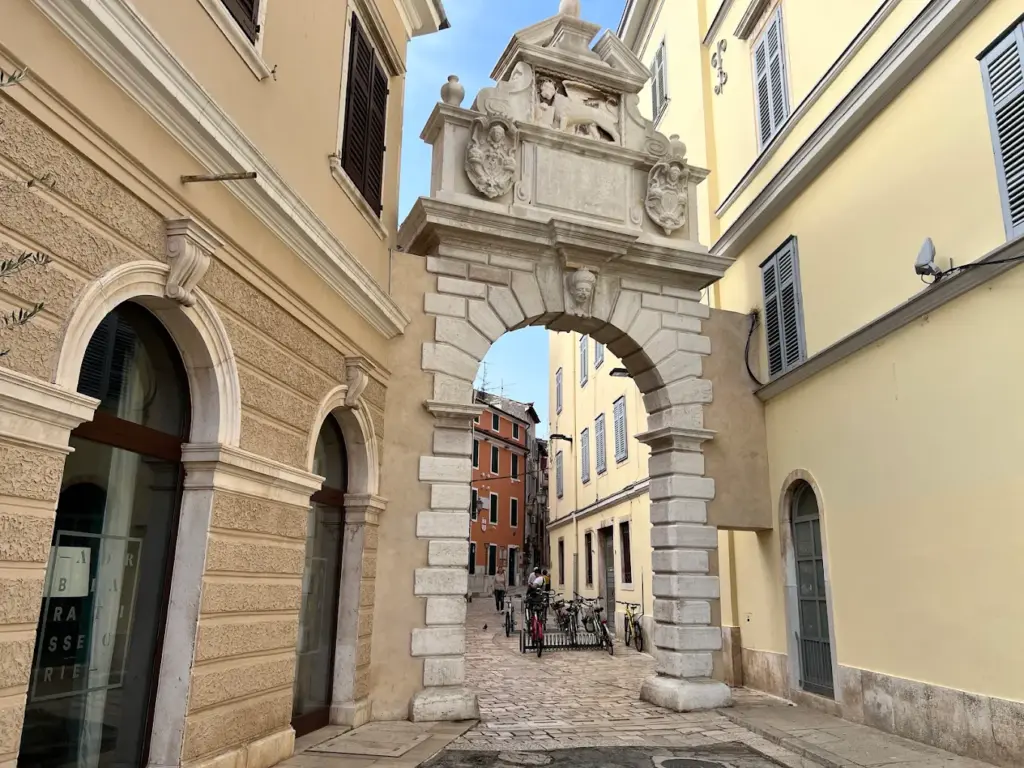
Balbi’s Arch
As you enter the old town from the main square (Trg Maršala Tita), you pass under Balbi’s Arch. It stands where the old city gate used to be. Look for the two different heads carved on either side. One is a Turk, the other a Venetian. It’s a small nod to the complex history of this coast. We usually stop here for a second just to transition from the modern harbour into the labyrinth of the past.
The harbour and the Batana
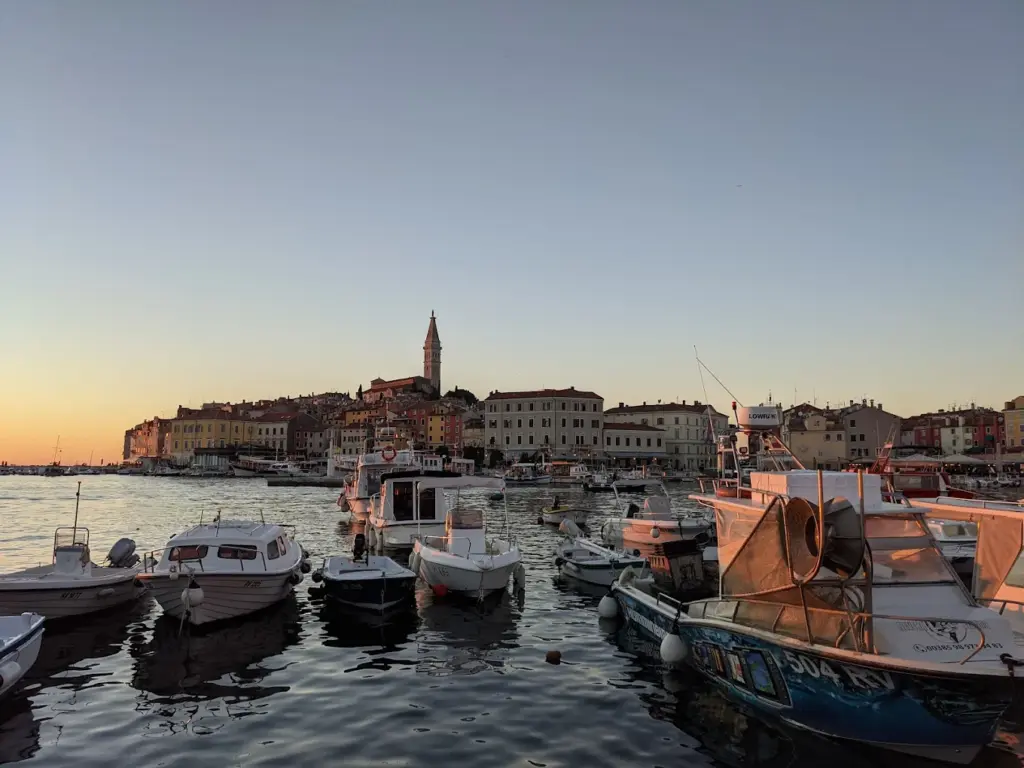
The harbour is the lungs of Rovinj. It breathes with the tide. You will see the batana boats here. These are traditional, flat-bottomed wooden boats that have defined the local fishing culture for generations. They are sturdy. They are humble.
We highly recommend visiting the Eco-museum Batana. It isn’t a dusty room full of old papers. It’s a living project. If you are lucky, you might catch a “Spacio” evening. This is a traditional cellar where fishermen used to meet to drink wine and sing bitinada (traditional songs). Eating fresh sardines and drinking Malvazija while listening to these polyphonic songs is the most authentic Istrian experience you can have. It feels real.
Beyond the stone: Zlatni Rt
When the stone streets feel too warm, we head to Zlatni Rt (the Golden Cape). It is a vast forest park just south of the town centre. This is where the locals go to breathe. It was planted by an Austrian Count, Georg Hütterott, in the late 19th century. He wanted to build a health resort here. He failed, but he left us a forest of Himalayan cedars, Douglas firs, and cypress trees.
The scent is incredible. It’s a mix of pine needles and salt spray. You can rent a bike and ride the coastal path. There are dozens of small, pebbly coves where you can swim. The water is crystal clear. No sand, just white pebbles and turquoise sea. We usually pack a towel and a book and find a spot under the shade of a centuries-old oak tree.
A taste of the coast
You cannot leave this part of the world without eating. In Rovinj, the food is dictated by the Adriatic. We avoid the places with pictures of food on boards. Instead, look for the small konobas tucked into the side alleys.
- Sardines: Simple, grilled with olive oil and garlic.
- Fuži: Hand-rolled pasta often served with seafood or truffles.
- Malvazija: The white wine of Istria. It tastes like the sun.
There is a small market near the Valdibora parking lot. We love buying local honey and dried figs there. The colours are bright. The smells are sharp. It is the best place to pick up a bottle of olive oil to take back to your apartment in Porec.
The Lim Fjord: A detour worth taking
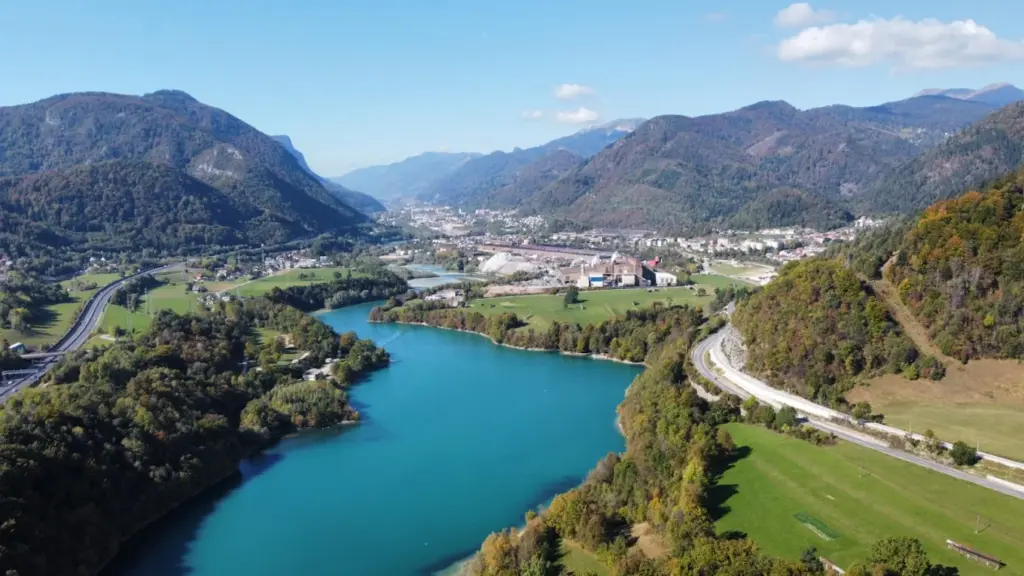
On your drive back to Porec from Rovinj, you will pass the Lim Fjord (Limski Kanal). It’s not a true fjord, but a submerged river canyon. It’s green and deep. The brackish water is perfect for farming oysters and mussels.
There are wooden stalls along the road selling local cheese and brandy. Stop there. Buy some sheep’s cheese aged in stone jugs. Better yet, go down to the water’s edge and have a plate of raw oysters with a squeeze of lemon. They are pulled from the water just metres from your table.
Why we stay in Porec and visit Rovinj
People often ask us why they should base themselves with us in Solis Porec instead of staying directly in Rovinj. The answer is simple: space and perspective.
Rovinj is a beautiful maze, but it can feel tight. Porec offers a bit more room to move, a wider variety of beaches, and the incredible Euphrasian Basilica (a UNESCO site that rivals anything in Rovinj). By staying in Porec, you are in the perfect middle ground. You can spend one day in the hills of Motovun hunting truffles, and the next day sipping an espresso by the Rovinj waterfront.
Istria is best enjoyed in layers.
Planning your day
If you are staying with us at Solis Porec, here is how we suggest you do a “Rovinj Day”:
- 09:00: Leave Porec. The drive is easy and scenic.
- 10:00: Coffee at the Rovinj harbour. Watch the town wake up.
- 11:00: Climb to St. Euphemia. Do it before it gets too hot.
- 13:00: A slow lunch in the old town. Take your time.
- 15:00: Head to Zlatni Rt for a swim. The water is refreshing.
- 18:00: Stop at Lim Fjord on the way back for a glass of wine.
- 20:00: Back in Porec for a quiet dinner on your terrace.
Come Visit Rovinj
Rovinj is a place of shadows and light. It changes throughout the day. In the morning, it is white and bright. At sunset, the stone turns pink. By night, the street lamps give it a golden glow.
We love this corner of the world. Not because it is perfect, but because it feels permanent. The sea keeps hitting the rocks, the fishermen keep mending their nets, and the church tower keeps standing guard. We invite you to see it for yourself.
Everything is ready for you in Istria. We’ll keep the keys waiting at Solis Porec.